
Greater Swiss Mountain Dog Pack: Postoperative Bleeding (P2Y12), Hyperuricosuria (HUU/SLC), Degenerative Myelopathy (DM exon 2), D-locus (d1)
153,54 € VAT incl.
Panel genético multienfermedad para el Gran boyero suizo que agrupa cuatro pruebas moleculares: hemorragia postoperatoria (P2Y12), hiperuricosuria (HUU/SLC), mielopatía degenerativa (DM exón 2) y el marcador de dilución de capa D-locus d1. El panel combina condiciones clínicas con un marcador de utilidad para la cría. La prueba molecular es complementaria del estudio hemostático en la selección reproductiva.
Diseases included in this pack
Postoperative Bleeding (P2Y12) (Autosomal recessive. Most dogs with severe bleeding are homozygous, but a heterozygote with severe postoperative bleeding has been described, so carriers may also be at risk.)
Hereditary thrombopathy of the Greater Swiss Mountain Dog caused by a mutation in the P2RY12 gene, which encodes the platelet ADP receptor. Platelets from affected animals do not respond to ADP and therefore do not aggregate properly after activation. Homozygous dogs present mild spontaneous bleeding, but the seriou…
Hyperuricosuria (SLC) (Autosomal recessive)
Hyperuricosuria is a defect of renal uric acid transport caused by a variant of the SLC2A9 gene, historically described as G616T (p.Cys188Phe) and also noted as Cys181Phe depending on the reference transcript. It increases urinary urate excretion and the risk of urate uroliths. The Dalmatian is the paradigmatic breed.
Canine Degenerative Myelopathy exon 2 (All Breeds) (Autosomal recessive with age-dependent and incomplete penetrance)
Neurodegenerative disease of the spinal cord, the canine equivalent of human amyotrophic lateral sclerosis (ALS) due to SOD1 mutations. The classic variant (exon 2 of the SOD1 gene, described in 'all breeds') produces a dysfunctional superoxide dismutase 1 and degeneration of the long spinal tracts, with progressive…
D-locus d1 (dilution) MLPH all breeds (Autosomal recessive (D locus). The diluted coat phenotype requires homozygosity of the recessive allele d (d/d); heterozygotes D/d are not diluted.)
Colour dilution associated with the D locus is caused by variants in the MLPH gene (melanophilin). The recessive allele d gives rise to lightened coats (blue, grey, lilac, etc.) and, in a subset of affected dogs, predisposes to colour dilution alopecia (CDA), a dermatosis with hair loss and folliculitis. The effect…
Frequently asked questions
What does this pack include?
It includes 4 hereditary disease tests: Postoperative Bleeding (P2Y12), Hyperuricosuria (SLC), Canine Degenerative Myelopathy exon 2 (All Breeds), D-locus d1 (dilution) MLPH all breeds. All are analysed in our laboratory.
What do the results mean?
The report shows the genotype and inheritance pattern of each variant. It is a breeding-decision tool: it guides which crosses to avoid, it does not guarantee the absence of disease.
How is the sample taken?
Buccal swab or 0.5–1 ml EDTA blood. The kit ships free to Spain, the EU and the UK.
Related products
-
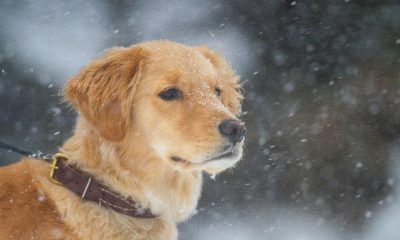
Golden Retriever Genetic Pack
108,27 € VAT incl. Add to cart -
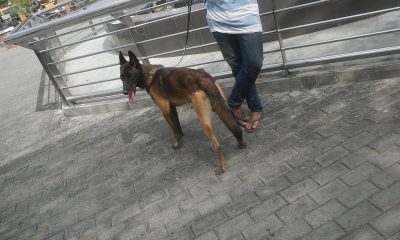
Belgian/Dutch Shepherd genetic pack
108,27 € VAT incl. Add to cart -
Copper Storage Disease / Wilson’s Disease (Huntaway, Labrador Retriever, New Zealand Heading Dog)
48,61 € VAT incl. Add to cart -
GR-PRA1 (Golden Retriever)
63,65 € VAT incl. Add to cart